
Báo cáo được ban hành vào tháng 8 năm 2026.
Báo cáo (dạng PDF), bao gồm phản hồi từ ban quản lý và kiểm toán viên.
Những điểm nổi bật của báo cáo
| Những gì chúng tôi tìm thấy | Tại sao điều này lại quan trọng |
|---|---|
| Hiện không có chính sách hay quy trình nào yêu cầu Hội đồng Ủy viên Quận phải giám sát việc mua đất hoặc nhà cửa. Chính sách hiện hành chỉ yêu cầu giám sát nếu có hoạt động cải tạo hoặc xây dựng. | Việc miễn trừ các giao dịch mua bất động sản có giá trị cao khỏi sự phê duyệt của Hội đồng quản trị làm suy yếu sự giám sát và hạn chế tính minh bạch liên quan đến các khoản chi tiêu đáng kể của người đóng thuế. |
| Sự tham gia của các bên liên quan hiện đang không đồng đều giữa các phòng ban trong quận. | Việc vội vàng hoặc bỏ qua quá trình tham vấn cộng đồng có thể làm tổn hại lòng tin của cộng đồng. Điều này có thể dẫn đến phản ứng tiêu cực — làm trì hoãn hoặc cản trở các dự án phát triển cơ sở hạ tầng quan trọng. |
| Việc thẩm định lại bốn bất động sản đã phát hiện ra khả năng trả thừa lên tới 1.180.000 đô la. | Việc trả giá quá cao cho bất động sản có thể làm giảm nguồn kinh phí đáng lẽ được dành cho các dịch vụ công cộng thiết yếu. |
| Quá trình thẩm định dự án cho thấy sự khác biệt rất lớn. | Quận có nguy cơ mua những tòa nhà cần bảo trì đột xuất vì không có quy trình thẩm định tiêu chuẩn nào được áp dụng. |
Lời tri ân đất đai
Cuộc kiểm toán này liên quan đến việc mua bán bất động sản, bao gồm cả đất đai, vì vậy chúng tôi muốn dành chút thời gian để ghi nhận lịch sử của khu vực này.
“Chúng tôi bày tỏ lòng biết ơn và ghi nhận rằng vùng đất mà chúng tôi sinh sống, làm việc và tụ họp là lãnh thổ truyền thống của nhiều dân tộc bản địa, những người đã gìn giữ vùng đất này hàng nghìn năm nay. Ngày nay, vùng đất này được biết đến với tên gọi Quận Multnomah, Oregon.”
Chúng tôi ghi nhận và tôn vinh những cư dân bản địa đầu tiên của vùng đất này, bao gồm các bộ lạc Multnomah, Kathlamet, Clackamas, Chinook, Tualatin Kalapuya và các bộ lạc, nhóm người khác coi khu vực này là quê hương. Chúng tôi bày tỏ lòng kính trọng đối với các bậc trưởng lão của họ, cả trong quá khứ và hiện tại, và gửi lời cảm ơn sâu sắc về những đóng góp không ngừng của họ cho cộng đồng này và thế giới. Mối liên hệ sâu sắc của họ với các dòng sông, núi, rừng và thung lũng của khu vực này tiếp tục định hình bản sắc và tinh thần của Quận Multnomah ngày nay.
Chúng tôi thừa nhận những bất công trong quá khứ và hiện tại đã và đang diễn ra đối với người dân bản địa, bao gồm việc cưỡng bức di dời, vi phạm các hiệp ước và xóa bỏ có hệ thống ngôn ngữ, văn hóa và truyền thống của họ. Chúng tôi hiểu rằng chỉ riêng sự thừa nhận này thôi là chưa đủ để giải quyết những sai trái trong quá khứ, nhưng đó là một bước quan trọng hướng tới xây dựng một tương lai toàn diện và công bằng hơn.”
Nguồn: Cheryl Taylor, Thanh tra viên Quận Multnomah
Lời cảm ơn của nhân viên
Chúng tôi xin cảm ơn ban quản lý và nhân viên Phòng Quản lý Cơ sở vật chất và Tài sản vì sự giúp đỡ và chuyên môn của họ trong suốt cuộc kiểm toán này. Những hiểu biết của họ vô cùng quý giá. Chúng tôi đánh giá cao sự tận tâm của họ trong việc cải thiện quy trình mua sắm đất đai và nhà cửa của quận.
Lý lịch
Lý do chúng tôi thực hiện cuộc kiểm toán này
Trong 10 năm qua, quận đã thực hiện nhiều giao dịch mua đất hoặc nhà cửa. Chúng tôi đã nhận được một khiếu nại gửi đến Đường dây nóng về Quản trị Tốt liên quan đến nhiều giao dịch mua bán mà quận có thể đã trả giá cao hơn giá thị trường và không thẩm định giá tài sản khi thực hiện giao dịch. Trong một số trường hợp, chi phí cải tạo đã tăng vọt so với dự báo của quận.
Thông tin về việc mua bán bất động sản tại quận.
Ngân sách đầu tư của Quận Multnomah được ấn định ở mức 374,4 triệu đô la cho năm tài chính 2026. Danh mục đầu tư vốn của quận được chia thành ba nhóm vốn: Quản lý cơ sở vật chất và tài sản, Giao thông vận tải và Công nghệ thông tin. Nhóm quỹ Quản lý cơ sở vật chất và tài sản (288,9 triệu đô la) là nhóm quỹ cải thiện vốn lớn nhất.
Cuộc kiểm toán của chúng tôi tập trung vào các giao dịch mua bất động sản trong danh mục Quản lý Cơ sở vật chất và Tài sản. Phòng Quản lý Cơ sở vật chất và Tài sản, thuộc Sở Tài sản Quận, quản lý hơn 150 tòa nhà tại Quận Multnomah. Trách nhiệm của phòng bao gồm phối hợp với các đối tác của quận hàng năm để xác định nhu cầu về cơ sở vật chất, cập nhật kế hoạch cải tiến vốn đầu tư 5 năm và đề xuất các dự án lớn mới.
Phòng Quản lý Cơ sở vật chất và Tài sản của Quận Multnomah đã chi 50,4 triệu đô la cho việc mua bất động sản từ năm 2019 đến năm 2025.
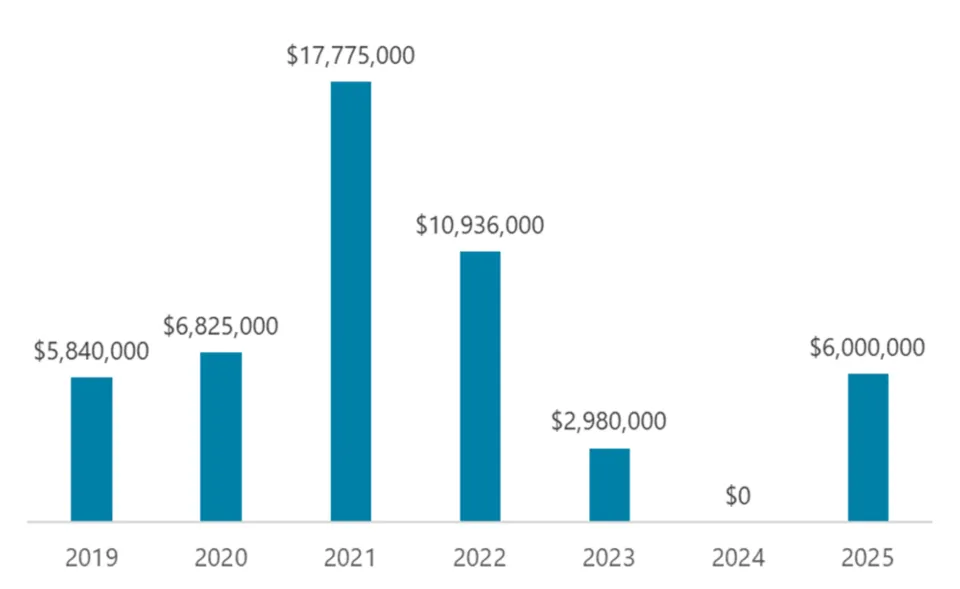
Việc mua bán bất động sản không diễn ra thường xuyên như các giao dịch tài chính khác; tuy nhiên, chúng liên quan đến một khoản đầu tư lớn từ ngân sách của quận. Việc mua bán bất động sản cũng có những cân nhắc tài chính dài hạn do nhu cầu vận hành và bảo trì liên tục.
Phòng Quản lý Cơ sở vật chất và Tài sản của Quận Multnomah đã chi 50,4 triệu đô la cho việc mua bất động sản từ năm 2019 đến năm 2025. Phòng này đã chi nhiều nhất cho việc mua đất và nhà cửa, với số tiền 17.775.000 đô la, vào năm 2021. Không có giao dịch mua nhà cửa nào được thực hiện vào năm 2024.
Mục đích chính của việc mua bất động sản là mua các cơ sở vật chất để cung cấp dịch vụ công cộng.
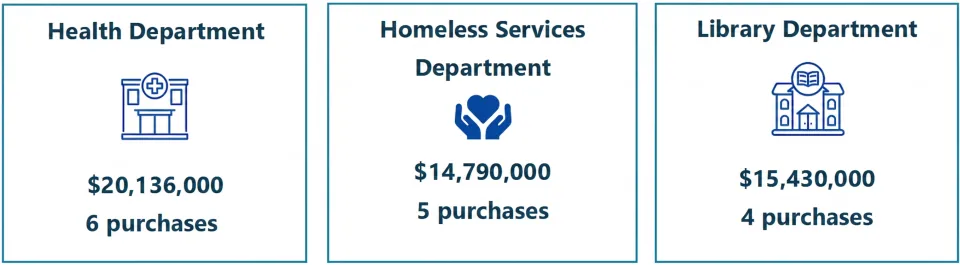
Từ năm 2019 đến năm 2025, quận đã thực hiện thành công các giao dịch mua bán bất động sản thay mặt cho Sở Y tế, Sở Dịch vụ Người vô gia cư và Thư viện. Các công dụng phổ biến nhất của các tòa nhà mới là cung cấp dịch vụ chăm sóc sức khỏe, cung cấp dịch vụ nhà ở tạm trú, và mở rộng hoặc cải tạo các địa điểm thư viện.
Nhân viên quận và các nhà môi giới bất động sản bên ngoài hỗ trợ quá trình mua bán.
Dựa trên các cuộc phỏng vấn với nhân viên quận và các bên liên quan bên ngoài, chúng tôi đã lập sơ đồ các bước trong quy trình mua bán bất động sản. Quá trình ra quyết định mua bán bất động sản bắt đầu bằng việc Hội đồng Ủy viên Quận phân bổ kinh phí thông qua quy trình ngân sách và kết thúc bằng việc thực hiện một thỏa thuận bất động sản.
Trong giai đoạn phân bổ ngân sách, các phòng ban trình bày nhu cầu chương trình và các yêu cầu cụ thể của họ. Hội đồng sẽ phân bổ kinh phí. Nhân viên phụ trách cơ sở vật chất sẽ làm việc cùng với một nhà môi giới bất động sản bên thứ ba để tiến hành tìm kiếm. Trong giai đoạn này, Luật sư Quận sẽ được thông báo chính thức.
Quy trình mua bán bất động sản của quận
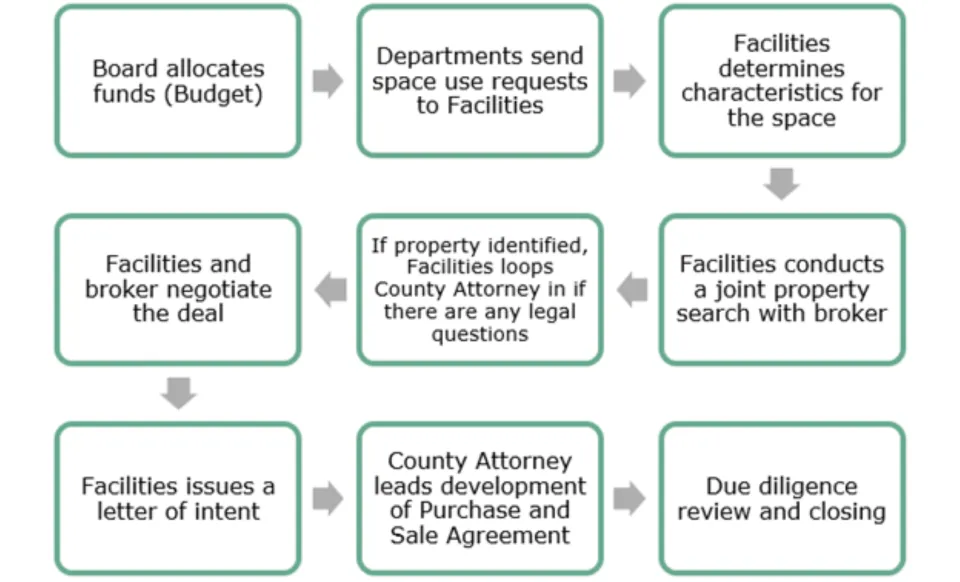
Trong giai đoạn đàm phán thư thỏa thuận sơ bộ, môi giới bất động sản bên thứ ba và nhân viên Sở Quản lý Cơ sở vật chất sẽ đàm phán với người bán. Thư thỏa thuận sơ bộ là một thỏa thuận không ràng buộc, nêu rõ các điều khoản ban đầu của giao dịch. Sở Quản lý Cơ sở vật chất và Văn phòng Luật sư Quận cũng tích cực tham gia vào các cuộc đàm phán về Hợp đồng Mua bán, hợp đồng ràng buộc về mặt pháp lý, chính thức hóa các điều khoản của thỏa thuận bất động sản. Sau khi ký hợp đồng, giai đoạn thẩm định bắt đầu. Nhân viên Sở Quản lý Cơ sở vật chất tiến hành các thủ tục thẩm định để đánh giá tình trạng vật chất, trong khi Luật sư Quận xem xét quyền sở hữu và giải quyết các rủi ro pháp lý. Cuối cùng, quá trình kết thúc tại thời điểm hoàn tất giao dịch, nơi nhân viên Sở Quản lý Quận phối hợp với công ty thẩm định quyền sở hữu để chuyển khoản tiền.
Những thế mạnh chính của quận trong lĩnh vực mua bán bất động sản bao gồm:
- Hoàn thành thành công các dự án trong thời điểm khó khăn như đại dịch COVID-19.
- Cải thiện quy trình mua bán bất động sản của quận và rút kinh nghiệm từ các dự án trước đây để nâng cao kết quả trong tương lai.
- Tiến hành lập kế hoạch đầu tư vốn 5 năm và công bố kết quả.
Quận cần xây dựng các chính sách mua bán bất động sản.
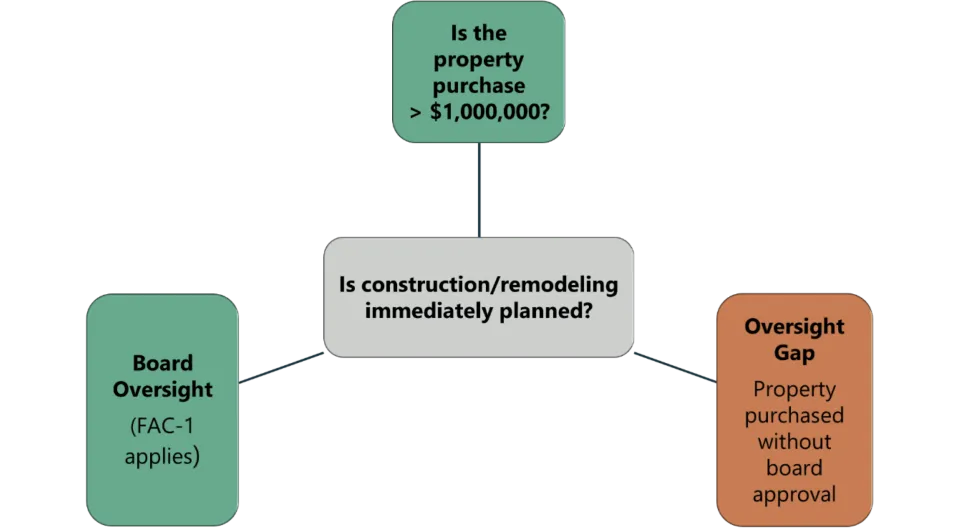
Chính sách hiện hành của Quận Multnomah chỉ yêu cầu quy trình phê duyệt chính thức, nhiều giai đoạn của Hội đồng nếu dự án đầu tư bao gồm xây dựng hoặc cải tạo.
Theo các thông lệ tốt nhất của Hiệp hội các quan chức tài chính chính phủ, các tổ chức thuộc khu vực công nên có quy trình phê duyệt nhiều giai đoạn cho việc mua sắm vốn. Quận hiện thiếu quy trình hành chính cho việc mua bất động sản. Quy trình hành chính chính liên quan đến việc mua bất động sản là FAC-1, chỉ bao gồm việc mua lại tài sản có kèm theo việc cải tạo hoặc xây dựng ngay lập tức.
FAC-1 không yêu cầu sự chấp thuận của Hội đồng quản trị đối với việc mua lại tài sản vượt quá 1 triệu đô la trừ khi có bao gồm hạng mục xây dựng hoặc cải tạo. Việc thiếu sự tham gia của Hội đồng quản trị trong các giao dịch lớn này có thể cho phép các thương vụ mua bán được tiến hành mà không có sự giám sát đầy đủ. Kết quả là, tính minh bạch tài chính và trách nhiệm giải trình trước công chúng có thể bị suy giảm. Hơn nữa, điều này hạn chế khả năng giám sát tiến độ dự án ở các giai đoạn khác nhau của Hội đồng quản trị.
Để giảm thiểu rủi ro này, quận nên thiết lập một chính sách quản lý toàn diện để yêu cầu sự chấp thuận của Hội đồng đối với tất cả các thương vụ mua bán bất động sản vượt quá 1 triệu đô la, bất kể kế hoạch phát triển trước mắt là gì.
Quy trình phê duyệt của quận theo FAC-1
Ban quản lý quận bày tỏ lo ngại rằng sự giám sát của Hội đồng công khai có thể buộc các cuộc đàm phán phải được công khai, do đó làm tổn hại khả năng của quận trong việc đạt được các điều khoản có lợi. Tuy nhiên, ORS 192.660(2)(e) cho phép các cơ quan chính phủ ở Oregon tổ chức các phiên họp kín để "tiến hành thảo luận với những người được cơ quan quản lý chỉ định để đàm phán các giao dịch bất động sản." Điều này bảo vệ đòn bẩy của quận trong khi vẫn duy trì sự giám sát đối với các khoản chi tiêu trị giá hàng triệu đô la.
Quận Multnomah chưa thiết lập các vai trò và trách nhiệm cụ thể trong quá trình mua bán bất động sản.
Việc mua bán bất động sản là những khoản đầu tư tài chính lớn, đòi hỏi sự phối hợp giữa các bên trong và ngoài công ty. Mặc dù Bộ luật Quận Multnomah quy định chung rằng Sở Tài sản Quận có trách nhiệm giám sát việc “mua lại, quản lý và thanh lý các cơ sở vật chất và đất đai”, hiện tại vẫn chưa có quy trình hành chính nào của quận xác định rõ vai trò và trách nhiệm cụ thể trong quá trình mua bán bất động sản.
Chúng tôi được biết rằng trong các quy trình mua sắm trước đây, nhân viên thuộc Phòng Quản lý Cơ sở vật chất và Tài sản có thể không tham gia vào quá trình mua bán cho đến khi các quyết định quan trọng đã được đưa ra. Do thiếu sự tham gia của nhân viên bộ phận Cơ sở vật chất, đã có những lo ngại rằng quận có thể đã trả giá quá cao. Nhân viên bộ phận Cơ sở vật chất có chuyên môn về thẩm định trong các quy trình mua bán bất động sản và đánh giá tình trạng cơ sở vật chất.
Trong những năm gần đây, quận đã áp dụng một cách không chính thức việc để nhân viên phụ trách cơ sở vật chất dẫn dắt quá trình mua bất động sản. Thực tiễn này có thể được củng cố bằng cách chính thức hóa vai trò của nhân viên phụ trách cơ sở vật chất trong các chính sách hành chính của quận.
Quận tiến hành lập kế hoạch kỹ lưỡng và thu thập ý kiến tham vấn các bên liên quan trong một số giao dịch mua sắm, nhưng lại rất ít trong những giao dịch khác.
Theo Hiệp hội các quan chức tài chính chính phủ (Government Finance Officers Association), các thực tiễn tốt nhất về lập kế hoạch vốn và quản lý tài sản cho rằng các tổ chức nên tạo điều kiện cho sự tham gia của các bên liên quan vào các dự án vốn trong suốt các giai đoạn lập kế hoạch, thiết kế và xây dựng dự án.
Chúng tôi nhận thấy rằng các phương pháp thu hút sự tham gia của các bên liên quan rất khác nhau giữa các phòng ban. Thư viện đã tiến hành thu hút sự tham gia của các bên liên quan trong suốt các giai đoạn lập kế hoạch, thiết kế và xây dựng cho tất cả các dự án. Tuy nhiên, các dự án của Sở Y tế và Sở Dịch vụ Người vô gia cư nhìn chung có ít sự tham gia của các bên liên quan hơn, đặc biệt là trong quá trình lập kế hoạch. Thực tiễn tốt nhất cho thấy việc thu thập ý kiến đóng góp của các bên liên quan ngay từ giai đoạn đầu của quá trình lập kế hoạch sẽ giúp hỗ trợ sự thành công của dự án.
Các hoạt động thu hút sự tham gia tích cực của các bên liên quan của Thư viện trong giai đoạn lập kế hoạch bao gồm:
- Tham gia vào một quy trình lập kế hoạch kéo dài nhiều năm với sự tham gia của nhiều bên liên quan khác nhau.
- Dịch vụ lập bản đồ cần đầu tư vào những khu vực trong quận gặp nhiều rào cản nhất trong việc tiếp cận các dịch vụ.
- Phân bổ các vị trí nhân viên chuyên trách dự án.
Các hoạt động của Thư viện là một ví dụ về cách quận đã sớm tham gia với các bên liên quan để xác định nhu cầu và kỳ vọng của người dùng, ngay cả trước khi quận xác định tất cả các thông số của dự án, bao gồm cả việc mua sắm đã hoàn tất. Việc tham gia với các bên liên quan từ sớm cũng có thể ngăn ngừa sự gián đoạn dự án sau khi quận đã mua một tòa nhà. Ví dụ, quận đã không tiếp tục dự án Trung tâm Nguồn lực cho Người vô gia cư phía Đông quận như kế hoạch ban đầu dựa trên phản hồi của các bên liên quan về địa điểm đã mua.
Bằng cách thiết lập một tiêu chuẩn rõ ràng về lập kế hoạch dự án và thu hút sự tham gia của các bên liên quan từ các phòng ban khác nhau, quận có thể học hỏi từ những gì đã hoạt động hiệu quả, phân bổ nguồn lực tốt hơn và định hướng các dự án để đạt được kết quả thành công.
Chúng tôi muốn ghi nhận sự tham gia của các thành viên Hội đồng quản trị trong việc khuyến khích sự tham gia của các bên liên quan trong các thương vụ mua lại gần đây. Ví dụ, quá trình lập kế hoạch cho Trung tâm Cai nghiện và Trung tâm Ổn định Khủng hoảng của Sở Y tế đã bao gồm sự tham gia của các bên liên quan, được mô tả trong báo cáo “Kế hoạch Trung tâm Cai nghiện & Ổn định Khủng hoảng”. Quá trình lập kế hoạch đã giúp định hình các tiêu chí mua lại cơ sở này. Nhân viên của Sở Dịch vụ Người vô gia cư cũng đã làm việc với các thành viên Hội đồng quản trị để phát triển các công cụ nhằm cải thiện các hoạt động tham gia của các bên liên quan trong các giai đoạn sau của dự án.
Quy trình thẩm định của quận cho thấy sự khác biệt lớn giữa các dự án.
Hiện tại, quận thiếu chính sách hoặc quy trình chính thức nào để tiến hành thẩm định kỹ lưỡng đối với việc mua bán đất và nhà cửa. Do đó, quá trình thẩm định được thực hiện giữa các dự án cho thấy sự khác biệt đáng kể, và quy trình này có thể không đánh giá rủi ro một cách nhất quán và thu thập được nhiều thông tin cần thiết.
| Các bước thẩm định | Số lượng bất động sản đã thực hiện bước này (trên tổng số 15) | Phần trăm đã thực hiện |
|---|---|---|
| Khảo sát sử dụng đất ALTA | 15 | 100% |
| Kiểm tra amiăng và chì | 10 | 67% |
| Đánh giá tình trạng tòa nhà | 7 | 47% |
| Nghiên cứu địa kỹ thuật (Rủi ro động đất) | 6 | 40% |
| Dự báo chi tiêu vốn | 3 | 21% |
| Thẩm định tài sản độc lập | 0 | 0% |
Chúng tôi đã lựa chọn các bước thẩm định cần xem xét dựa trên các cuộc thảo luận với nhân viên quận và việc xem xét các thông lệ từ các khu vực pháp lý khác. Quận đã tiến hành Khảo sát Sử dụng Đất của Hiệp hội Quyền sở hữu Đất Hoa Kỳ (ALTA) đối với tất cả các giao dịch mua bán bất động sản mà chúng tôi đã xem xét từ năm 2019-2025. Khảo sát Sử dụng Đất ALTA là một khảo sát ranh giới chuyên biệt để đánh giá các trách nhiệm pháp lý tiềm ẩn. Quận cũng đã tiến hành kiểm tra amiăng và chì đối với hơn một nửa số giao dịch mua bán. Các đánh giá thẩm định còn lại được nêu trên được thực hiện đối với chưa đến một nửa số giao dịch mua bán.
Một số bước thẩm định có thể không được thực hiện nếu tòa nhà dự kiến sẽ bị phá dỡ, việc mua bán nhằm mục đích làm bãi đậu xe, hoặc do các lý do đặc biệt khác. Tuy nhiên, quận không ghi lại lý do tại sao một bước thẩm định không được thực hiện. Điều này dẫn đến các tiêu chuẩn không rõ ràng về những bước nào nên được thực hiện trong quá trình thẩm định.
Khi các bước thẩm định bị bỏ qua, quận sẽ mất cơ hội tìm hiểu về các khoản nợ tiềm ẩn và đàm phán mức giá mua hợp lý. Các cơ sở nên xây dựng một chính sách nhất quán về thẩm định, bao gồm các yêu cầu ghi chép lại khi các bước cụ thể không được thực hiện.
Quận Multnomah dựa vào ý kiến định giá của môi giới thay vì thẩm định độc lập chính thức khi mua bán bất động sản, điều này có thể dẫn đến việc trả thừa hơn 1 triệu đô la.
Để thực hiện cuộc kiểm toán này, chúng tôi đã thuê một chuyên gia thẩm định được chứng nhận để tiến hành thẩm định hồi tố. Chúng tôi muốn xem liệu quận có trả giá hợp lý cho bốn bất động sản được mua trong khoảng thời gian từ năm 2020 đến năm 2023 hay không.
Việc lựa chọn này cho phép chúng tôi so sánh các giao dịch trong điều kiện kinh tế đặc thù của đại dịch COVID-19 và những thay đổi thị trường sau đó. Các bất động sản mà chuyên gia thẩm định xem xét đại diện cho các giao dịch mua bán của ba bộ phận khác nhau: Bộ phận Dịch vụ Người vô gia cư, Thư viện và Bộ phận Y tế. Các bất động sản đó là Khách sạn Days Inn Motel, Làng Oak Street, Nhà tạm trú Arbor Lodge và các địa điểm của Thư viện East County.
Hiện tại, quận dựa vào ý kiến định giá của môi giới bất động sản để xác định giá trị các giao dịch mua bán bất động sản thay vì các thẩm định viên độc lập, được chứng nhận. Cụ thể, quận ký hợp đồng với hai môi giới bất động sản và khoản thù lao của họ được trả theo hoa hồng. Việc dựa vào ý kiến định giá của môi giới này tạo ra một xung đột lợi ích cố hữu, làm suy yếu tính khách quan của quá trình định giá.
Mâu thuẫn lợi ích vốn có phát sinh vì các nhà môi giới được trả thù lao thông qua hoa hồng gắn liền với giá bán cuối cùng, tạo ra động lực tài chính có thể khuyến khích các giao dịch với giá trị cao hơn. Thêm vào đó, các nhà môi giới có động lực để đảm bảo giao dịch được hoàn tất nhằm kiếm được hoa hồng, điều này có thể bao gồm việc đề xuất một mức giá mà người bán dễ dàng chấp nhận. Rủi ro này càng trầm trọng hơn do sự phụ thuộc vào ý kiến định giá của môi giới, vốn ít được kiểm soát và mang tính chủ quan hơn so với các thẩm định độc lập, được chứng nhận. Kết quả là, Quận này đang đối mặt với nguy cơ gia tăng việc trả giá quá cao cho việc mua lại bất động sản do thiếu quy trình định giá độc lập.
Thông thường, quận không vay vốn khi mua bất động sản, điều này khiến việc thẩm định độc lập trở nên quan trọng hơn. Trong giao dịch vay vốn, ngân hàng đóng vai trò là bên kiểm soát độc lập để tránh trả giá quá cao vì họ sẽ không cho người mua vay nhiều hơn giá trị thẩm định của tài sản để bảo vệ tài sản thế chấp của mình. Thanh toán bằng tiền mặt loại bỏ biện pháp bảo vệ thứ cấp này, khiến quận phải gánh chịu toàn bộ rủi ro trả giá quá cao. Do đó, việc thẩm định độc lập trở thành cơ chế kiểm soát ủy thác chính để đảm bảo người đóng thuế không phải trợ cấp cho giá chào bán bị thổi phồng.
Điểm yếu này đã được làm nổi bật qua việc đánh giá lại bốn thương vụ mua bán bất động sản mà chúng tôi đã thực hiện trong cuộc kiểm toán này, qua đó xác định được các khoản thanh toán vượt mức tiềm ẩn với tổng số tiền là 1.180.000 đô la. Để giảm thiểu rủi ro thanh toán vượt mức này, chúng tôi khuyến nghị quận nên xây dựng và áp dụng một chính sách mua bán bất động sản chính thức, trong đó quy định bắt buộc sử dụng các thẩm định độc lập, được chứng nhận cho tất cả các giao dịch mua bán bất động sản.
Bảng dưới đây thể hiện những khác biệt chính về cấu trúc và quy định giữa ý kiến định giá của môi giới và đánh giá độc lập.
| Tính năng | Ý kiến định giá của nhà môi giới | Đánh giá độc lập |
|---|---|---|
| Được trình bày bởi | Một nhà môi giới hoặc đại lý bất động sản được cấp phép. | Một chuyên gia thẩm định được cấp phép hoặc chứng nhận bởi tiểu bang. |
| Mục đích chính | Để có được ước tính nhanh chóng và tiết kiệm chi phí về giá bán của một bất động sản. | Cung cấp định giá khách quan, có giá trị pháp lý ràng buộc và được chứng nhận về giá trị thị trường hợp lý của một bất động sản. |
| Tiêu chuẩn quy định | Tùy thuộc vào từng tiểu bang; quy định hạn chế. | Các tiêu chuẩn thống nhất về thực hành thẩm định chuyên nghiệp do liên bang quy định |
| Phương pháp luận | Phương pháp này chủ yếu dựa vào phân tích thị trường so sánh và đánh giá nhanh về bất động sản của người môi giới (chẳng hạn như "quan sát từ bên ngoài"). | Sử dụng phương pháp tiếp cận chuyên sâu, đa tầng dựa trên một hoặc nhiều phương pháp toàn diện, bao gồm: so sánh doanh số, phương pháp tính toán thu nhập và chi phí. Bao gồm các điều chỉnh định lượng rất chi tiết. |
| Mức độ chi tiết | Một báo cáo tập trung vào các điều kiện thị trường ít chi tiết hơn. | Một báo cáo toàn diện, nhiều trang, trình bày chi tiết về quy hoạch khu vực, hồ sơ công cộng, vật liệu xây dựng và phân tích thị trường kỹ lưỡng. |
| Tính khách quan và sự thiên vị | Người môi giới có thể có quyền lợi liên quan (ví dụ: hoa hồng của họ dựa trên giá bán). | Công bằng, khách quan và độc lập, không thiên vị bất kỳ lợi ích cá nhân nào. |
Chuyên viên thẩm định phát hiện ra rằng quận có thể đã trả giá quá cao cho khách sạn Days Inn Motel và khu đất Oak Street Village.
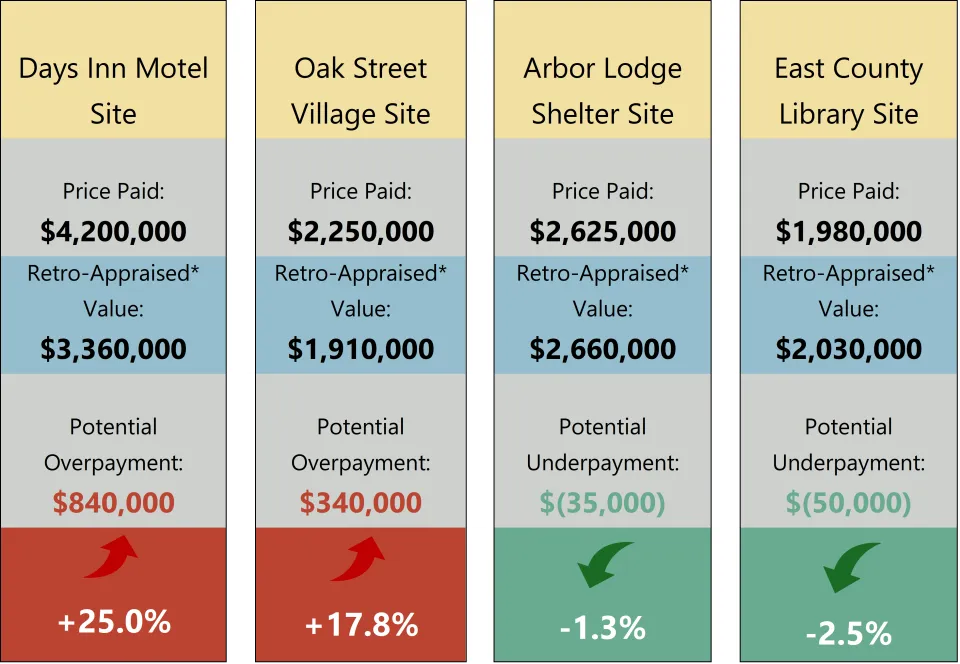
* Thẩm định hồi tố xác định giá trị ước tính của tài sản tại một thời điểm trong quá khứ.
Biểu đồ trên thể hiện giá trị tài sản của bốn địa điểm được xem xét trong cuộc kiểm toán: Khu nhà nghỉ Days Inn Motel, Khu làng Oak Street, Khu trú ẩn Arbor Lodge và Khu thư viện East County. Biểu đồ so sánh khoản thanh toán thực tế của quận với giá trị thị trường hợp lý được thẩm định độc lập. Các giá trị này đến từ các cuộc thẩm định độc lập đáp ứng Tiêu chuẩn Thống nhất về Thực hành Thẩm định Chuyên nghiệp.
Biểu đồ cho thấy quận đã trả nhiều hơn giá trị thẩm định cho hai trong số bốn bất động sản. Điều này dẫn đến khả năng trả thừa tổng cộng 1.180.000 đô la cho hai địa điểm này:
- Địa điểm xây dựng khách sạn Days Inn Motel: Giá mua cao hơn giá trị thẩm định 840.000 đô la.
- Khu đất Oak Street Village: Giá mua cao hơn giá trị thẩm định 340.000 đô la.
Có thể có những trường hợp quận/huyện chọn trả giá cao hơn giá thị trường do một quyết định chiến lược. Tuy nhiên, ban quản lý không thể đưa ra quyết định sáng suốt về việc trả giá cao hơn nếu họ dựa vào ý kiến định giá của môi giới, thay vì một cuộc thẩm định chính thức, để xác định giá trị thị trường thực tế.
Các khuyến nghị
Chúng tôi khuyến nghị Giám đốc điều hành, chậm nhất là ngày 1 tháng 3 năm 2027:
- Xây dựng chính sách toàn quận chỉ định Phòng Quản lý Cơ sở vật chất và Tài sản là đơn vị chủ trì trong tất cả các hoạt động mua bán đất và nhà cửa.
- Xây dựng chính sách toàn quận để thiết lập các tiêu chuẩn rõ ràng cho quy trình thẩm định, bao gồm danh sách kiểm tra các bước bắt buộc và giải thích bằng văn bản về trường hợp không tiến hành kiểm tra.
- Xây dựng chính sách toàn quận yêu cầu các phòng ban phải lập hồ sơ về nghiên cứu và kế hoạch đã thực hiện trước khi mua bất động sản. Hồ sơ này cần chứng minh rằng việc mua bất động sản được đề xuất dựa trên sự hiểu biết rõ ràng về nhu cầu dịch vụ, những thiếu sót trong việc cung cấp dịch vụ hiện tại, việc xác định và thu hút các bên liên quan, và tiềm năng mở rộng dịch vụ.
- Xây dựng một Quy trình Quản lý Hành chính mới về Cơ sở vật chất và Tài sản, bao gồm các thành phần giám sát của Hội đồng quản trị tương tự như FAC-1, nhưng áp dụng cho tất cả các giao dịch mua đất hoặc nhà có giá trị lớn hơn 1 triệu đô la.
- Xây dựng chính sách mua bán bất động sản trên toàn quận, trong đó quy định bắt buộc phải có thẩm định viên độc lập, được chứng nhận cho tất cả các giao dịch mua bán bất động sản.
Mục tiêu, phạm vi và phương pháp luận
Mục tiêu của cuộc kiểm toán này là:
- Đánh giá sự phối hợp và giám sát giữa các bộ phận trong quá trình mua sắm.
- Đánh giá tính hợp lý và công bằng của các giao dịch mua bán.
- Đánh giá hiệu quả của các thủ tục thẩm định trong việc mua bán đất đai và nhà cửa.
- Đánh giá quy trình tham gia của cộng đồng và nhu cầu của người dùng cuối.
Phạm vi của cuộc kiểm toán này là:
Trong đợt kiểm toán này, chúng tôi đã xem xét các giao dịch mua bán bất động sản từ năm dương lịch 2019 đến năm 2025. Chúng tôi chỉ kiểm tra các giao dịch mua bán đất và nhà cửa; chúng tôi không xem xét các hợp đồng thuê hoặc thỏa thuận đặt phòng theo nhóm.
Để hoàn thành các mục tiêu kiểm toán, chúng tôi:
- Đã tiến hành khoảng 30 cuộc phỏng vấn, bao gồm:
- Ban lãnh đạo Sở Tài sản Quận
- Nhân viên quản lý cơ sở vật chất và tài sản
- Nhân viên Văn phòng Luật sư Quận
- Quản lý bất động sản
- Nhân viên Thư viện Quận Multnomah, Dịch vụ dành cho người vô gia cư và Sở Y tế
- Nhân viên của Giám đốc điều hành
- Môi giới quận
- Người thẩm định độc lập
- Ủy viên Hội đồng Quận
- Nhân viên từ các khu vực pháp lý khác
- Đã thuê một chuyên gia thẩm định để tiến hành thẩm định hồi tố độc lập, theo Tiêu chuẩn Thống nhất về Thực hành Thẩm định Chuyên nghiệp , đối với bốn tòa nhà của quận. Đã xem xét các tài liệu do nhân viên phụ trách cơ sở vật chất, luật sư quận và văn phòng định giá tài sản của quận cung cấp.
- Đã nghiên cứu các phương pháp thực tiễn tốt nhất và tài liệu học thuật về mua bán bất động sản.
- Đã xem xét các báo cáo kiểm toán về việc mua lại bất động sản và các báo cáo kiểm toán dự án vốn từ một khu vực pháp lý khác.
Để thực hiện cuộc kiểm toán này, chúng tôi đã phân tích dữ liệu mua bán bất động sản từ ngày 1 tháng 1 năm 2019 đến ngày 31 tháng 12 năm 2025 từ Workday, hệ thống quản lý nguồn lực doanh nghiệp của quận, và từ Tririga, hệ thống ghi nhận dữ liệu của quận. Bao gồm các yêu cầu công việc, quản lý tài sản tòa nhà, hợp đồng thuê và quản lý không gian.
Chúng tôi đã đánh giá độ tin cậy của dữ liệu bằng cách (1) thực hiện kiểm tra điện tử để phát hiện các lỗi rõ ràng về độ chính xác và tính đầy đủ, (2) phỏng vấn các quan chức quận có kiến thức về dữ liệu, (3) xem xét các tài liệu liên quan và (4) hợp tác chặt chẽ với các quan chức quận để xác định bất kỳ vấn đề nào về dữ liệu. Văn phòng chúng tôi đã xác định rằng dữ liệu đủ tin cậy cho mục đích của báo cáo này.
Chúng tôi đã tiến hành cuộc kiểm toán hiệu quả này theo các chuẩn mực kiểm toán chính phủ được chấp nhận rộng rãi. Các chuẩn mực đó yêu cầu chúng tôi lập kế hoạch và thực hiện cuộc kiểm toán để thu thập đủ bằng chứng thích hợp nhằm cung cấp cơ sở hợp lý cho các phát hiện và kết luận của chúng tôi dựa trên các mục tiêu kiểm toán. Chúng tôi tin rằng bằng chứng thu được cung cấp cơ sở hợp lý cho các phát hiện và kết luận của chúng tôi dựa trên các mục tiêu kiểm toán.
Nhân viên kiểm toán
Nicole Dewees, Giám đốc Kiểm toán
Sura Sumareh, Kiểm toán viên cao cấp
Mical Yohannes, Kiểm toán viên cao cấp