After three decades of addiction to alcohol and drugs, Timothy Phipps hit bottom.
It was 2009. His wife had died of a drug overdose. Phipps clung to the drugs and the drinks that allowed him not to feel her loss.
It was, perhaps, a blessing, that their 11-year-old daughter had long since then learned to fend for herself.
His daughter was 12 when the state’s children’s services stepped in. She went into foster care. He went into treatment.
“For a long time things had been really really bad. I was unable to provide for her,” he said. “My life was hazardous.”
This April, Phipps celebrated his fifth year of sobriety. In June he watched his daughter graduate high school.
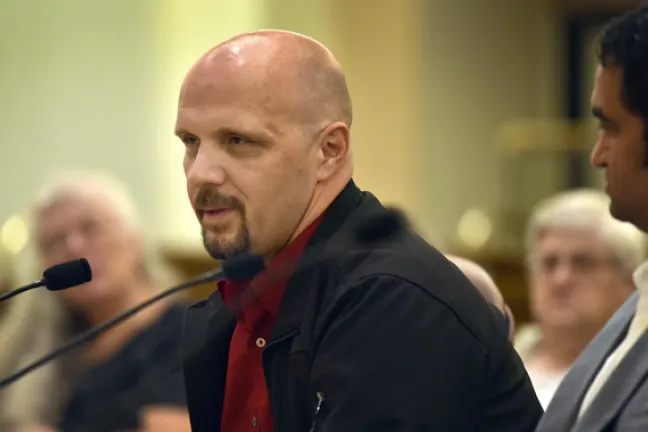
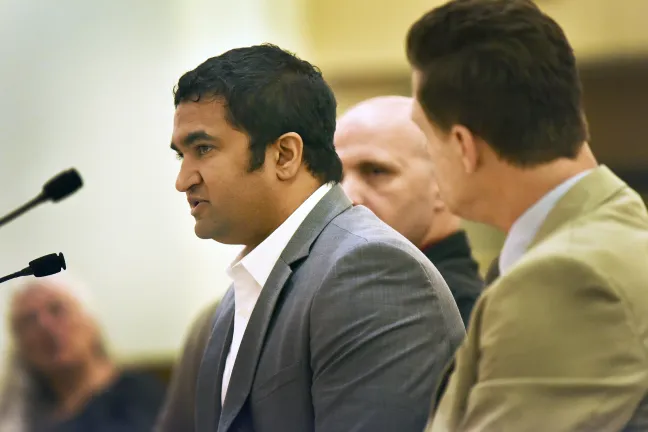
“We see the consequences of addiction everywhere, every day,” said Multnomah County Addiction Services Manager Devarshi Bajpai as the Board of Commissioners Thursday proclaimed September National Recovery Month in Multnomah County.
“The part that’s not as visible is the recovery,” said Bajpai. “I’ve been clean and sober for 20 years. People living in recovery are doctors, lawyers, janitors, and homeless.”
One out of every 14 Oregonians -- about 288,000 people-- struggle with alcohol or drug addiction, according to the federal Substance Abuse and Mental Health Services Administration.
Most of them don’t get treatment.
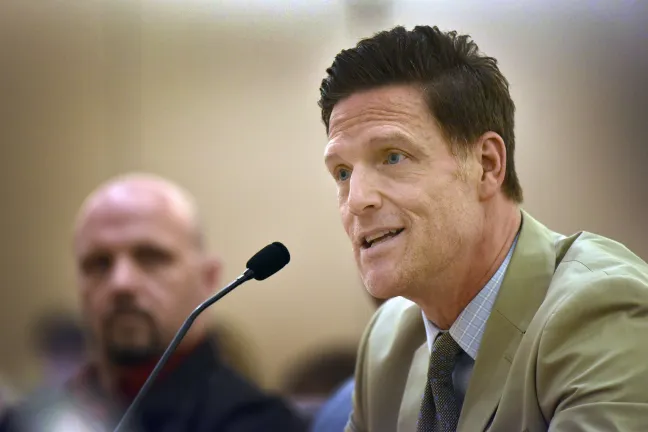
“Access to services and treatment is a very important part of recovery; it’s a beginning, but it’s not the end,” said David Hidalgo, director of Multnomah County’s Mental Health and Addiction Services. “Recovery is a journey that lasts a lifetime.”
Phipps was 13 when he began to use alcohol and drugs. He was 41 when he stopped. Even he didn’t have much faith that he could change; a culmination of experiences told him he would fail.
But he did change.
A year after entering treatment, he reunited with his daughter. They both struggled. She wasn’t used to being parented. She didn’t trust him. And he couldn’t blame her.
“I was full of guilt and shame because I had begun to realize the impact my life had had on her. I was hesitant to impose parental rules,” he said. “But through parenting support, I learned. We worked on developing trust. Today, I’m able to provide a safe home for her.”
Five years later, father and daughter still see a counselor. And sometimes they sit, just the two of them, and talk about the past. Those are conversations that are at times overwhelmingly emotional, others times they are deep and calm. It’s hard for him to listen when she talks about the pain he caused. But he’s learning.
“I shunned my responsibility as a parent for long enough. If the worst I am is uncomfortable, that’s cool.”
Phipps took a job a with Morrison Child & Family Services. The agency partners with Multnomah County to help parents who have lost their children because of drugs and alcohol abuse. His life in addiction, like those of other mentors, allows him to understand and connect with parents whose lives have fallen apart. Parents, like him, who love their kids and want them to come home.
The hard work of learning to parent and earning back their trust and respect can be a much bigger challenge.
Phipps still chokes up when he remembers that day in April, two years ago, when he learned his own daughter had forgiven him. She joined him at a addiction support group meeting to celebrate his third year of sobriety. After he spoke, she stood up.
“She said that I was her hero, that I had always been her hero despite everything,” he said. “She said she held me and her mom responsible, but she understood what addiction had done.
“She forgave us.”